Loading…
Timeline
Our history
Scroll to explore
4 milestones
The Birth of SAMA
The Beginning of a Musical Journey
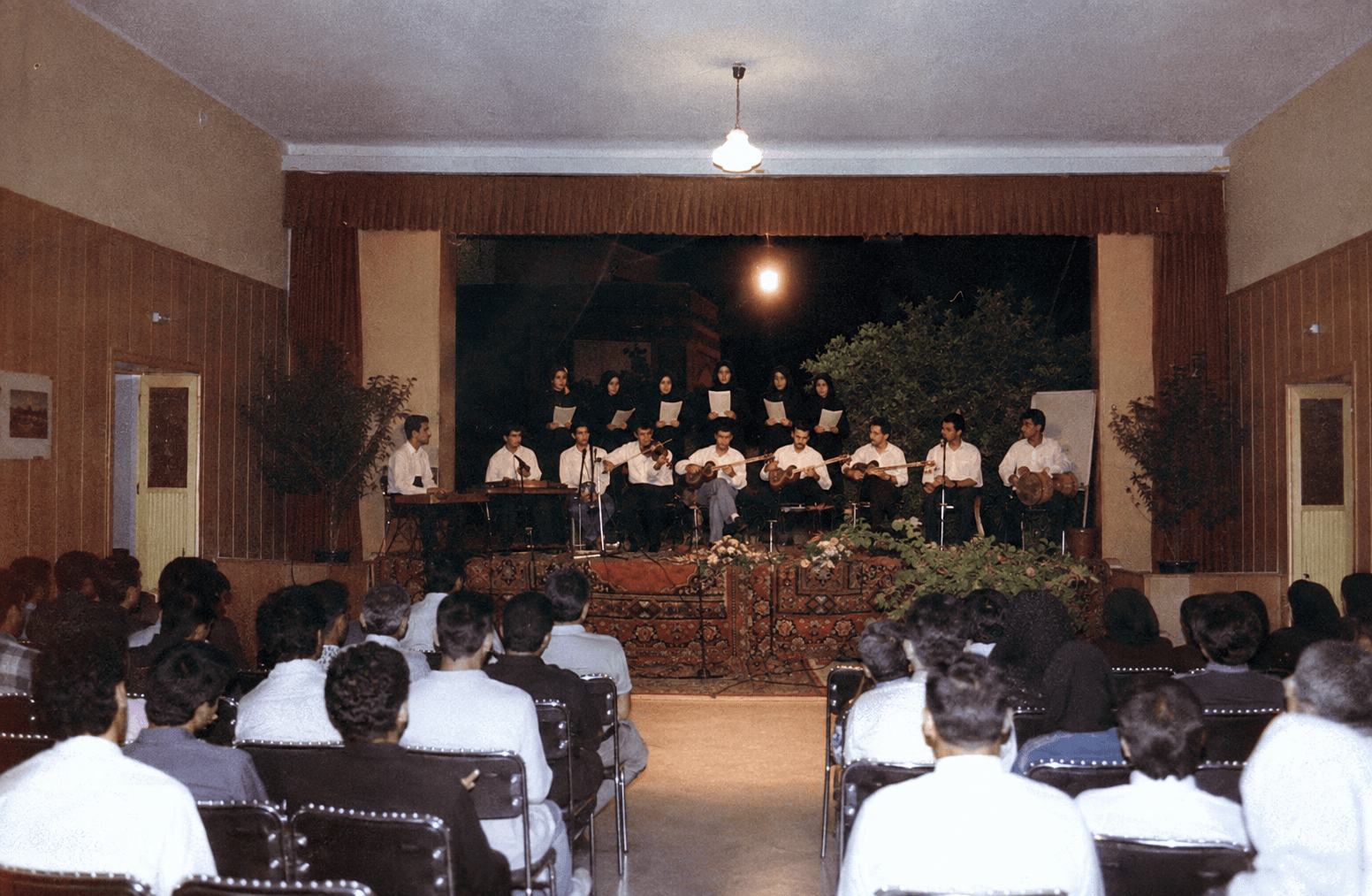
On a hot summer day in 1994, in the city of Shiraz, the idea of forming a small music ensemble was born. Ali Pirabi suggested to his close friend Hamid Beik Mohammadi that they create a group dedicated to performing Iranian music. From friendship, passion, and a shared love for music, the story of SAMA began.
The First Melodies
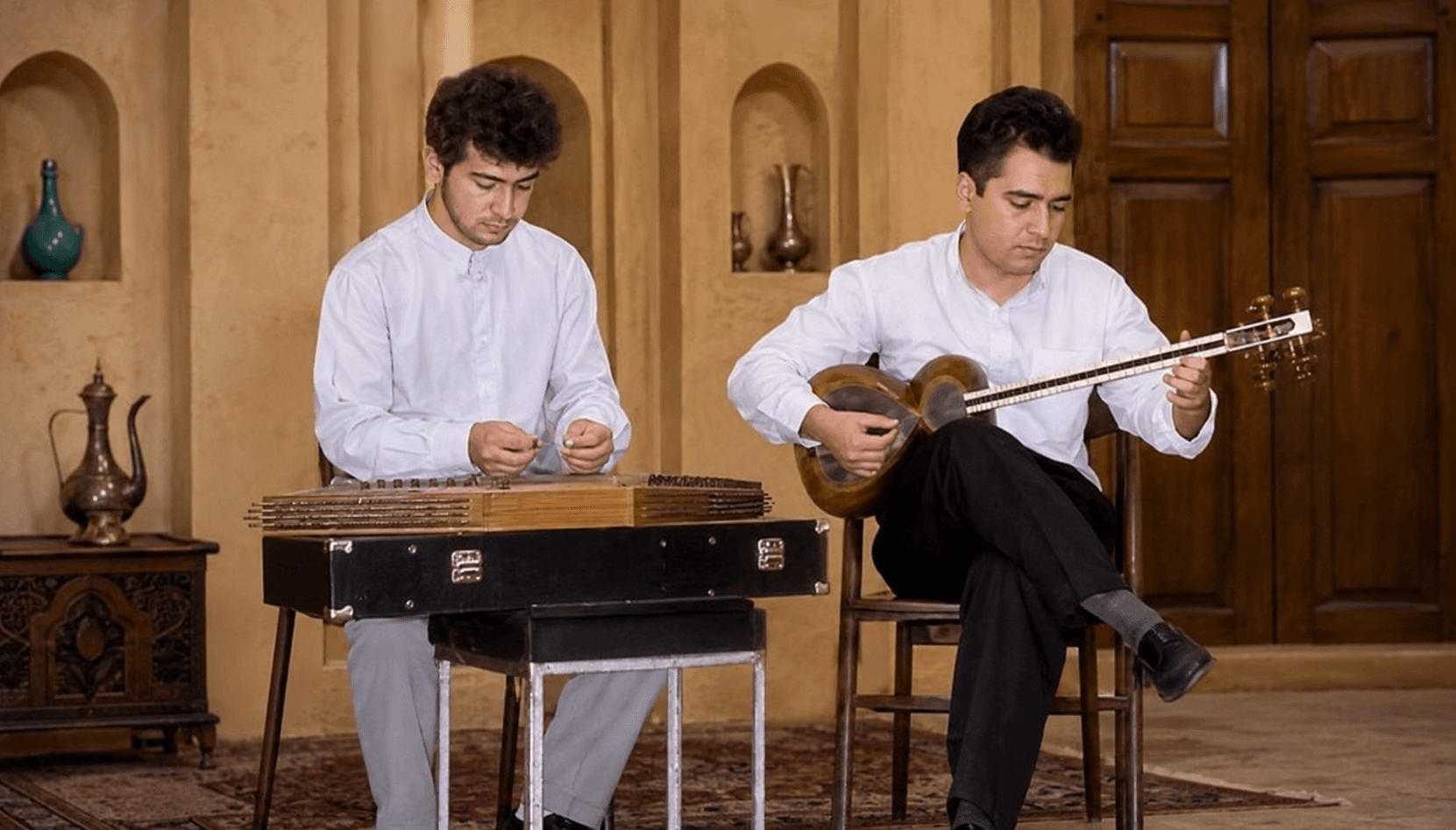
Hamid gladly accepted the idea. The group’s first rehearsals began with Hamid playing the setar and Ali playing the santur. The first rehearsals of SAMA took place in Ali’s small practice room on the ground floor of the house where he had grown up together with his parents, sisters, and brothers. Their first chosen piece was “Elahe Naz,” composed by the Iranian composer Akbar Mohseni. Since they did not have access to the sheet music, Ali handwrote the notes for both santur and setar. After several rehearsal sessions, the very first sounds of SAMA slowly came to life.
The Ensemble Begins to Grow
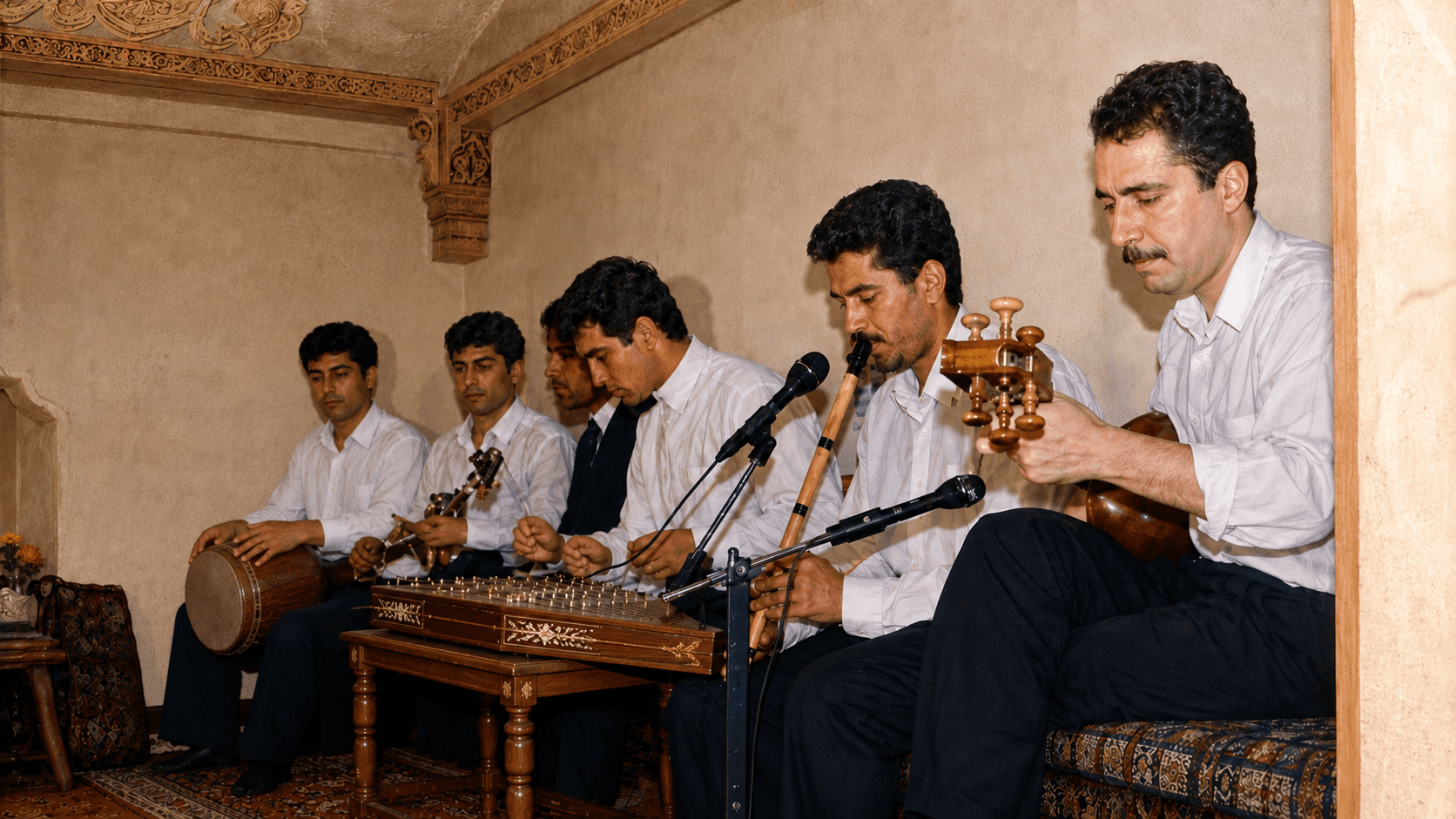
As time passed, additional musicians joined the small SAMA group. The first was Alireza Fazeli, a tombak player who had been a longtime friend and musical collaborator of Ali Pirabi, performing alongside him in numerous concerts. Shortly afterward, Siavash Zarei, a ney player, also became part of the ensemble.
As the number of members increased, so did the group’s musical possibilities. More pieces were selected and rehearsed, and gradually the need for a vocalist became apparent. During those years, friends and acquaintances of the SAMA musicians would occasionally join rehearsals or participate in performances of particular pieces. In this way, SAMA slowly evolved from a two-person project into a vibrant and steadily growing ensemble
The Growth of the Ensemble and the Participation of Women
In the years following the events of 1979, musical life in Iran faced numerous restrictions. These limitations were particularly extensive for women, who were not able to participate freely in public musical performances. Despite these circumstances, SAMA continued its journey, gradually expanding both its membership and its musical activities.
During 1995 and 1996, a women’s choir gradually became part of SAMA. Their participation marked another important step in the development and expansion of the ensemble. Other musicians joined in the following period, and SAMA’s formation steadily became larger and more diverse. During these years, the group also gave several concerts featuring women in Shiraz and various cities across Pars Province. Under the social and cultural restrictions of the time, these performances became an important part of SAMA’s early history.
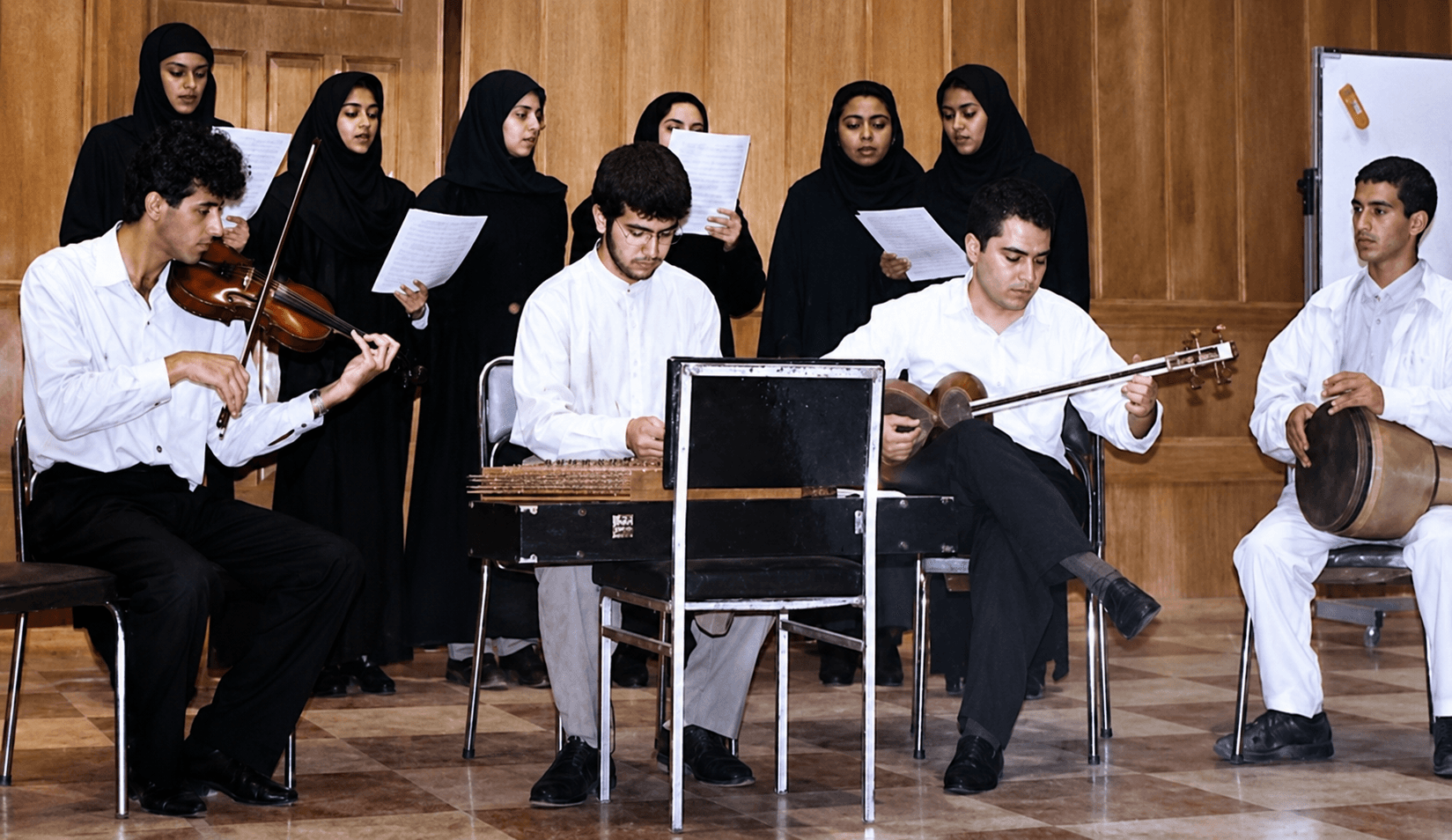
The First Confrontation with Official Restrictions
In 1997, SAMA was able to expand its activities beyond Shiraz. In one of the small and religiously conservative towns of that time, the group had the opportunity to perform a program of Iranian music together with a choir. Given the social climate and cultural restrictions of those years, organizing such a performance was by no means an ordinary or simple undertaking.
Following this concert, Ali Pirabi was summoned for the first time by the local Department of Culture and Islamic Guidance as well as the Intelligence Organization of the Revolutionary Guard. He was asked to explain why and under what circumstances the concert had been organized in that town. This event marked the first direct confrontation of Ali Pirabi and SAMA with state and security institutions over the group’s artistic activities. It also marked the beginning of a period in which SAMA’s continued musical work, alongside its artistic efforts, was increasingly accompanied by restrictions and other difficulties.